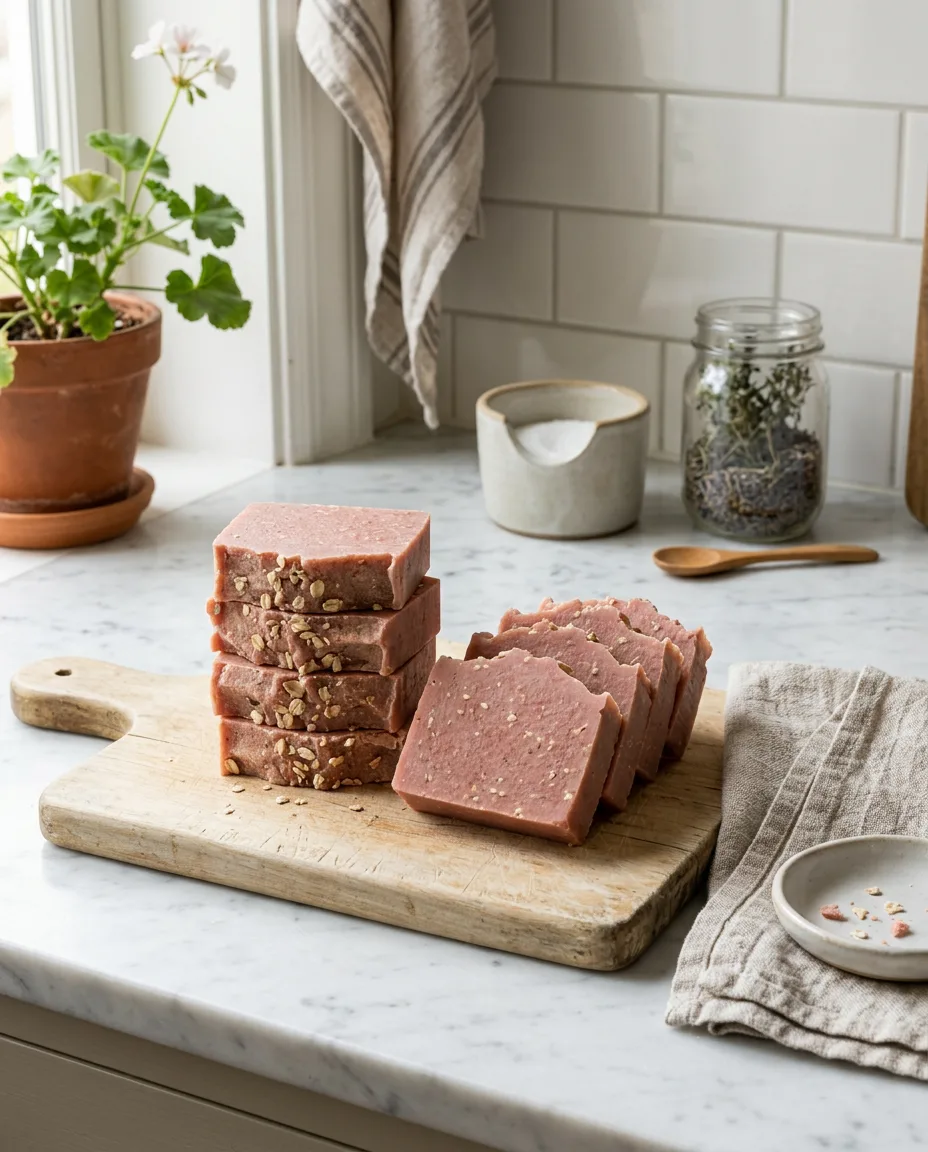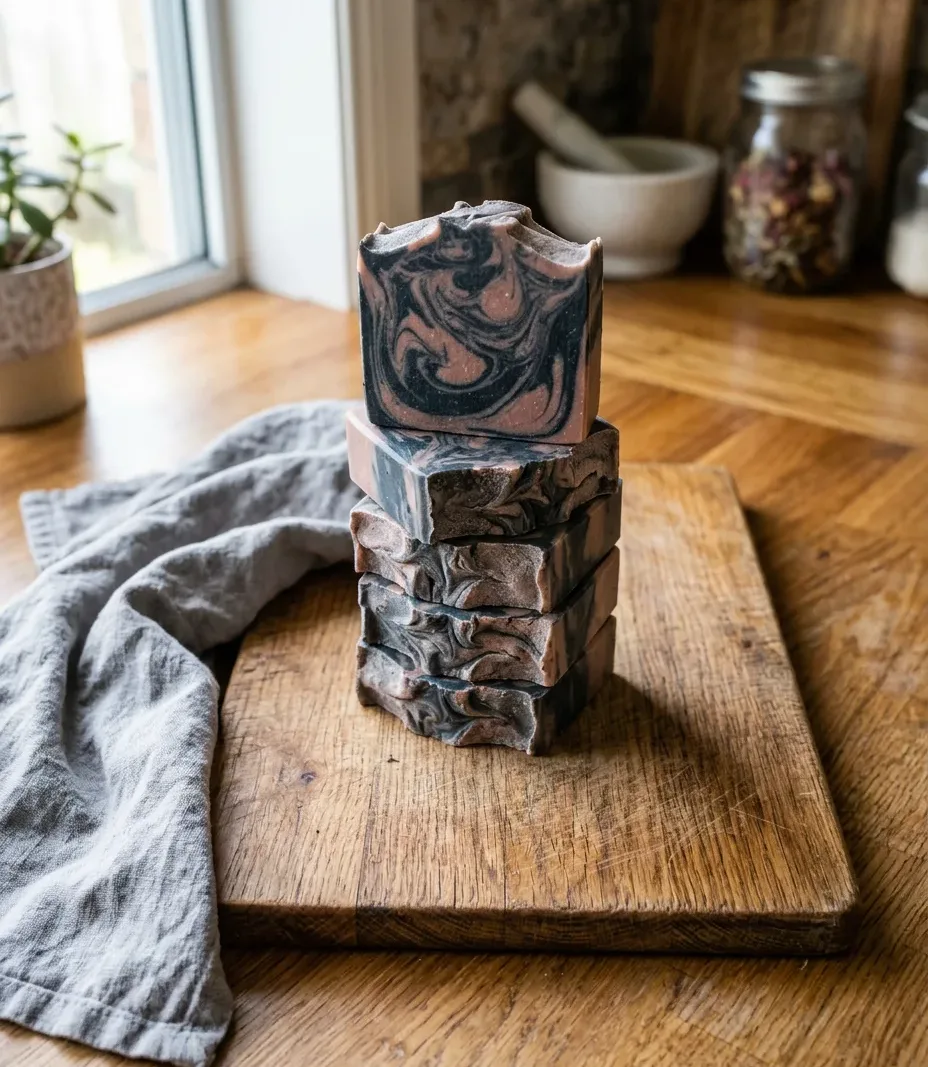
Most of what beginners “know” about soap making came from a forum post nobody fact-checked, copied into a blog, then copied again. Some of it is close enough. A lot of it will cost you a batch, or scare you off a hobby that isn’t nearly as dangerous as the myth makes it sound, once you understand what’s actually happening in the pot.
Here are eight things a lot of new soapers believe that don’t hold up — what’s actually true, and what to do instead.
Jump to
- 01Finished Bars Still Contain Lye
- 02Eyeballing Your Ingredients Is Fine
- 03More Lather Means Cleaner Soap
- 04Oils Are Interchangeable in a Recipe
- 05You Can Rush the Rest Time
- 06Fragrance Oils Behave Like Essential Oils
- 07You Need Specialty Equipment to Start
- 08Cold Process and Melt-and-Pour Are the Same Thing
Finished Bars Still Contain Lye
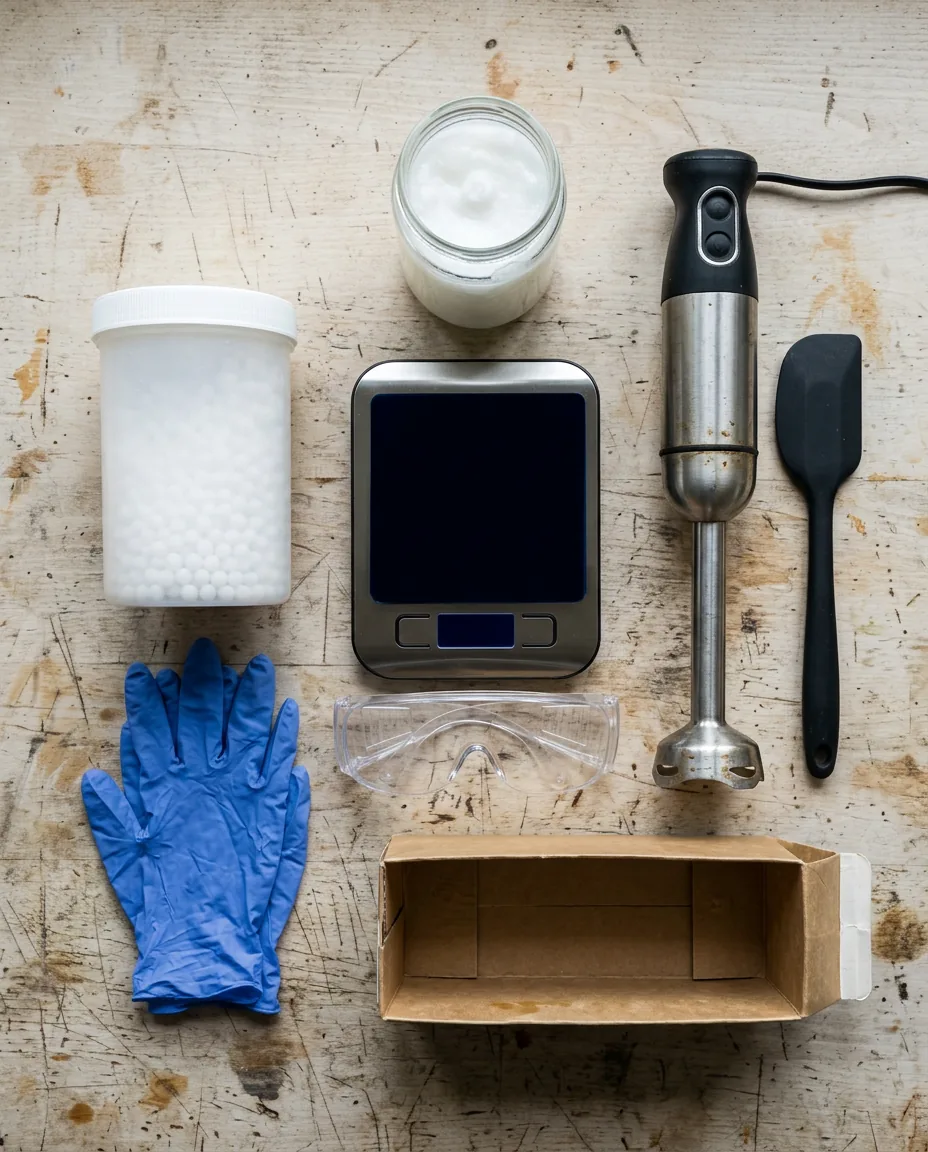
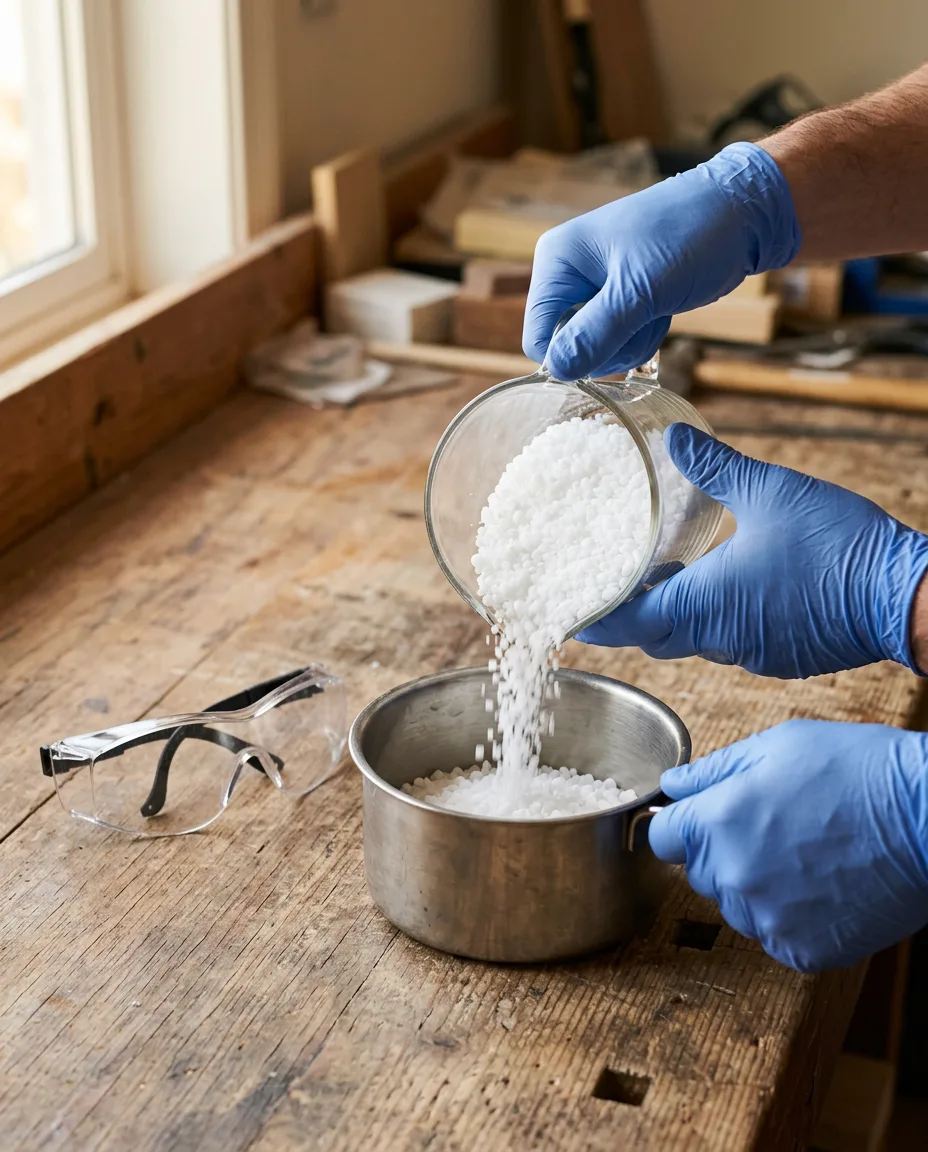
This is the one that keeps people from ever starting. Sodium hydroxide is genuinely caustic — it will burn skin, and handling the raw beads and solution deserves gloves, eye protection and a well-ventilated room. That part isn’t a myth.
What’s wrong is the idea that the finished bar keeps any of that causticity. Saponification is a real chemical reaction: lye combines with the fat molecules and neither substance exists anymore once it’s done. Run your recipe at a 5% superfat and there’s no free sodium hydroxide left in the bar at all — it’s been converted into soap and glycerin. A soap calculator does this math before you ever mix a batch. Skip that step, though, and you’re the one finding out the hard way.
Eyeballing Your Ingredients Is Fine
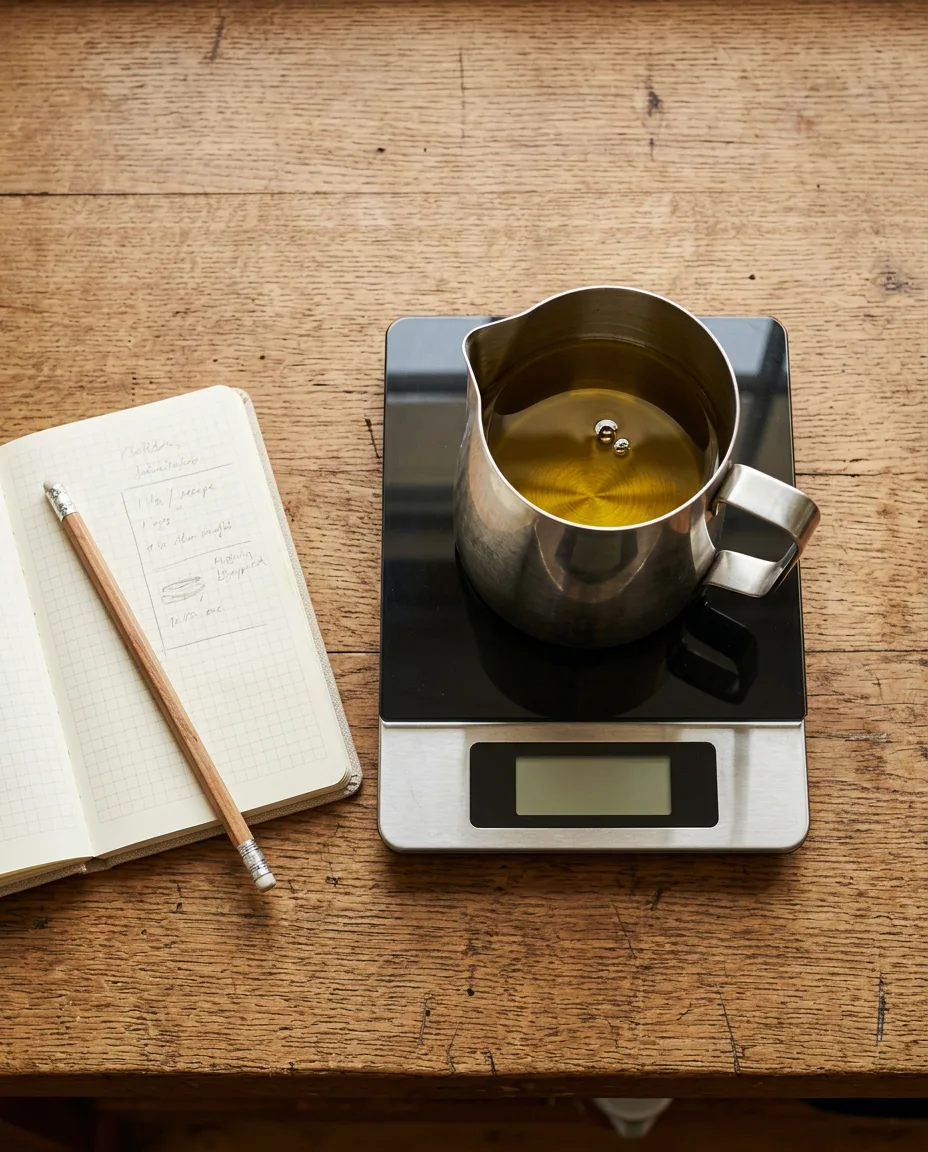
Baking forgives a loose hand. Soap making does not. Every oil has its own saponification value — the exact amount of lye it needs to react completely — and the whole recipe is built around those numbers coming out right.
Get the scale wrong by even a few grams and you shift the entire balance. Too much lye and the bar turns caustic and harsh. Too little and it stays soft, greasy, and prone to going rancid within weeks. A digital scale accurate to 1 gram is non-negotiable, and it’s one of the cheapest tools on this list.
More Lather Means Cleaner Soap
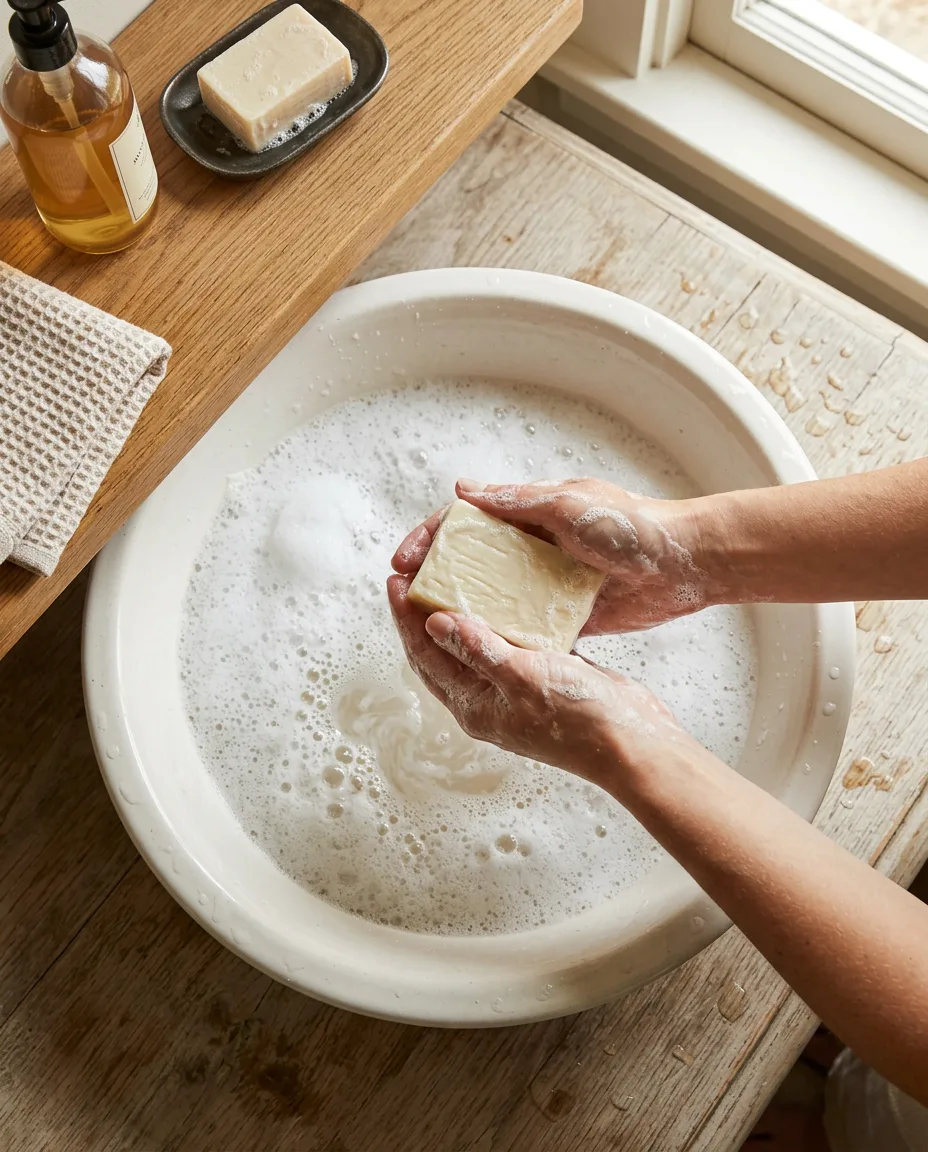
Bubbles are satisfying. They’re also mostly a function of which oils you used, not how well the bar cleans.
Coconut oil produces a big, fluffy lather because of its fatty acid profile — it also strips oil aggressively, which is why most recipes cap it around 20 to 30%. A castile bar made almost entirely from olive oil barely foams at all and still gets you clean; the lather is just low and creamy instead of tall and bubbly. Chasing foam alone usually means chasing a harsher bar.
Oils Are Interchangeable in a Recipe
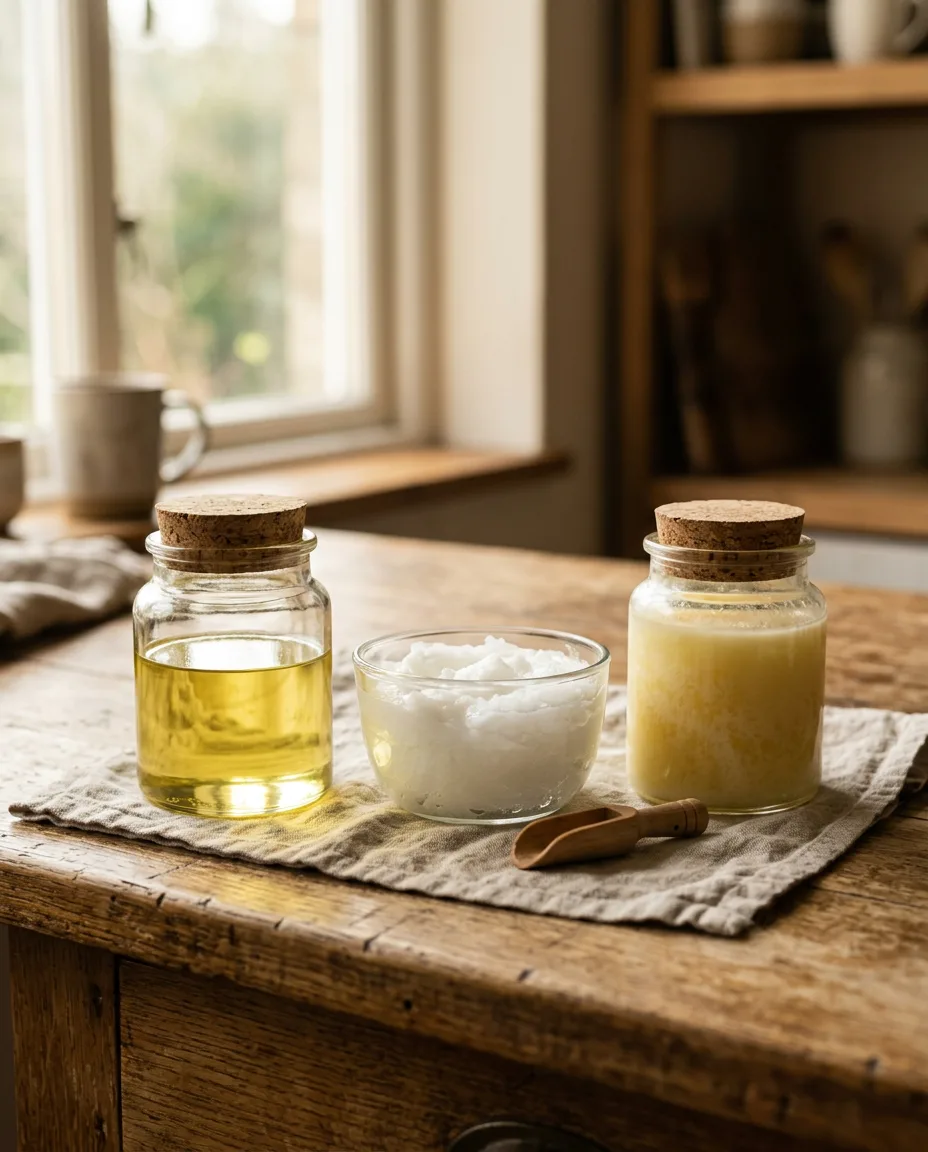
Swap one oil for another at the same weight and the lye amount you calculated is now wrong. Coconut oil has a SAP value of 0.183; olive oil sits at 0.134. Replace one with the other gram-for-gram without rerunning the numbers and you’ve either added excess lye or left the batch short.
Each oil also brings its own personality to the bar. Coconut brings hardness and cleansing power. Olive brings mildness and a slower, creamier lather. Castor oil, used in small amounts, boosts bubbles without needing more coconut. Substitution is fine — but only after the calculator has seen the new oil.
You Can Rush the Rest Time
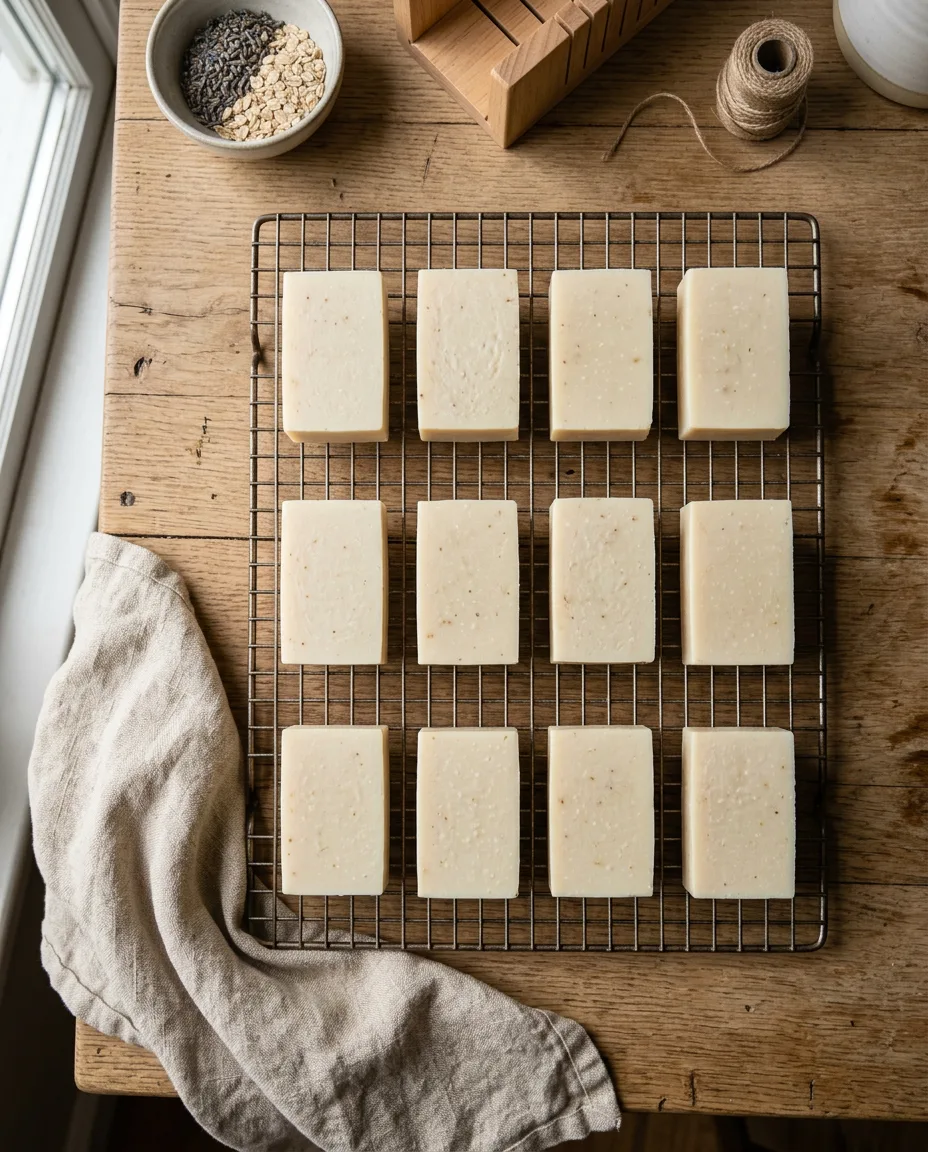
A cold process bar can feel firm enough to use within a few days. Cutting the resting time short anyway is a mistake.
Over the following weeks, water keeps evaporating out of the bar and the sodium soap crystals keep reorganizing into a denser structure. A bar rested for 6 weeks lasts noticeably longer in the shower and produces a tighter, longer-lived lather than the same bar used at week two. Nothing dangerous happens if you use it early — it’s just softer, mushier, and gone twice as fast.
Fragrance Oils Behave Like Essential Oils
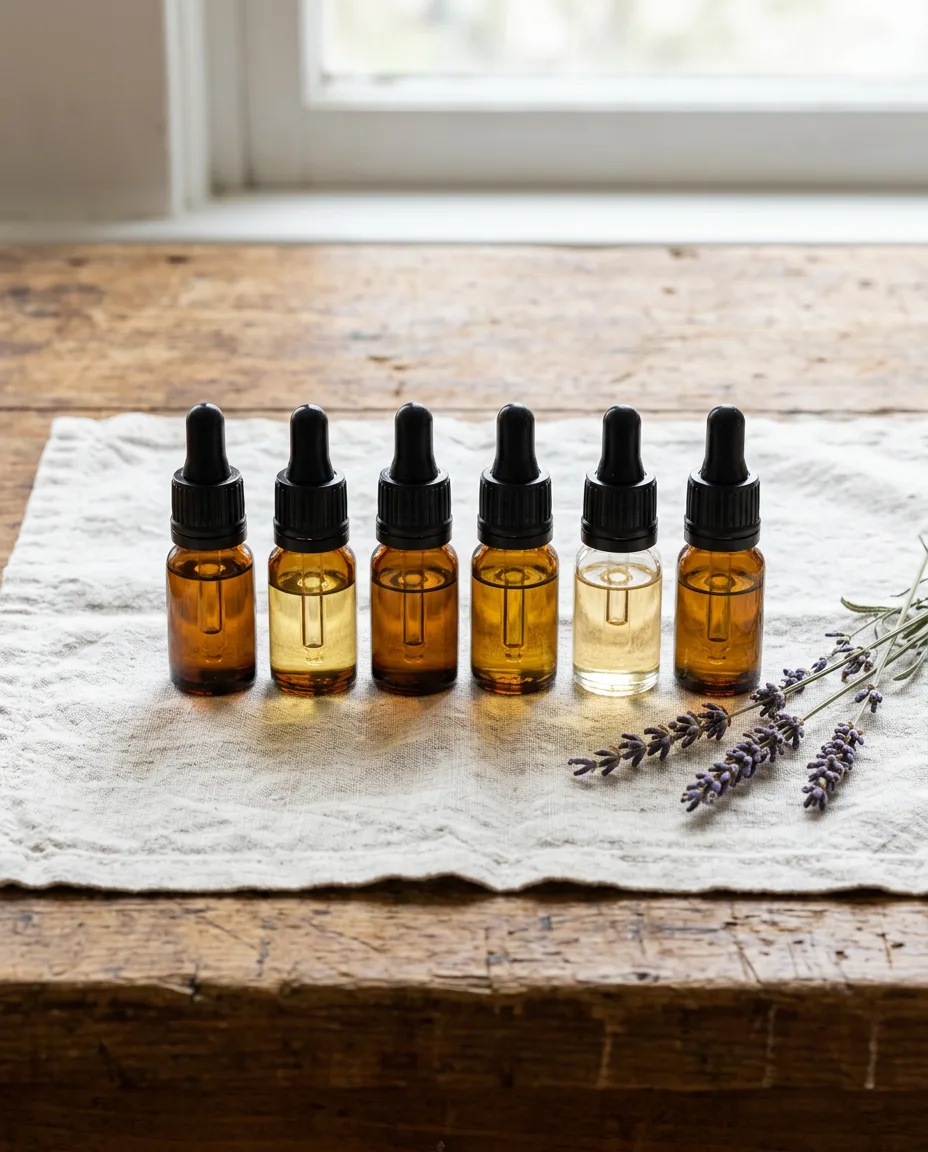
They’re grouped together so often that it’s easy to assume they act the same way in a batch. They don’t.
Essential oils are steam-distilled or cold-pressed straight from a plant; most fade within a few months, and a handful, like cinnamon or clove bud, can irritate skin at normal usage rates. Fragrance oils are formulated blends, and some of them accelerate trace hard enough to seize a batch mid-pour, or turn a bar brown within days because of the vanillin content. Before using either one for the first time, check it against a supplier’s usage chart written specifically for cold process soap — not candles, not lotion.
You Need Specialty Equipment to Start
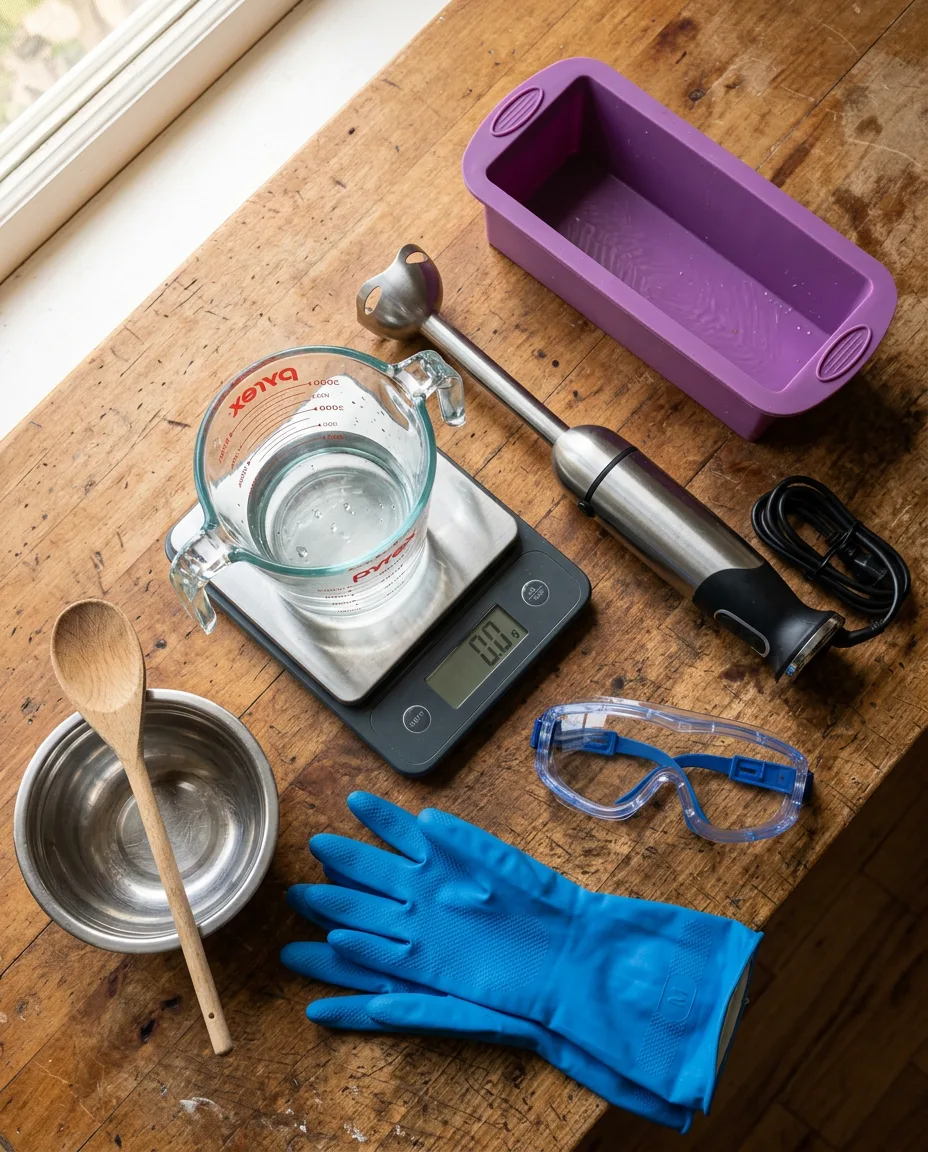
A dedicated soap-making kit looks appealing in a starter bundle, but almost none of it is required for a first batch.
A digital scale, a stick blender, a heatproof pitcher for the lye solution and a silicone mold cover the essentials, along with basic gloves and eye protection. A kitchen thermometer helps but isn’t mandatory once you’ve made a few batches and can judge temperature by feel and timing. Save the specialty swirl tools and wooden loaf molds for after the second or third batch, once you know you’ll keep going.
Cold Process and Melt-and-Pour Are the Same Thing
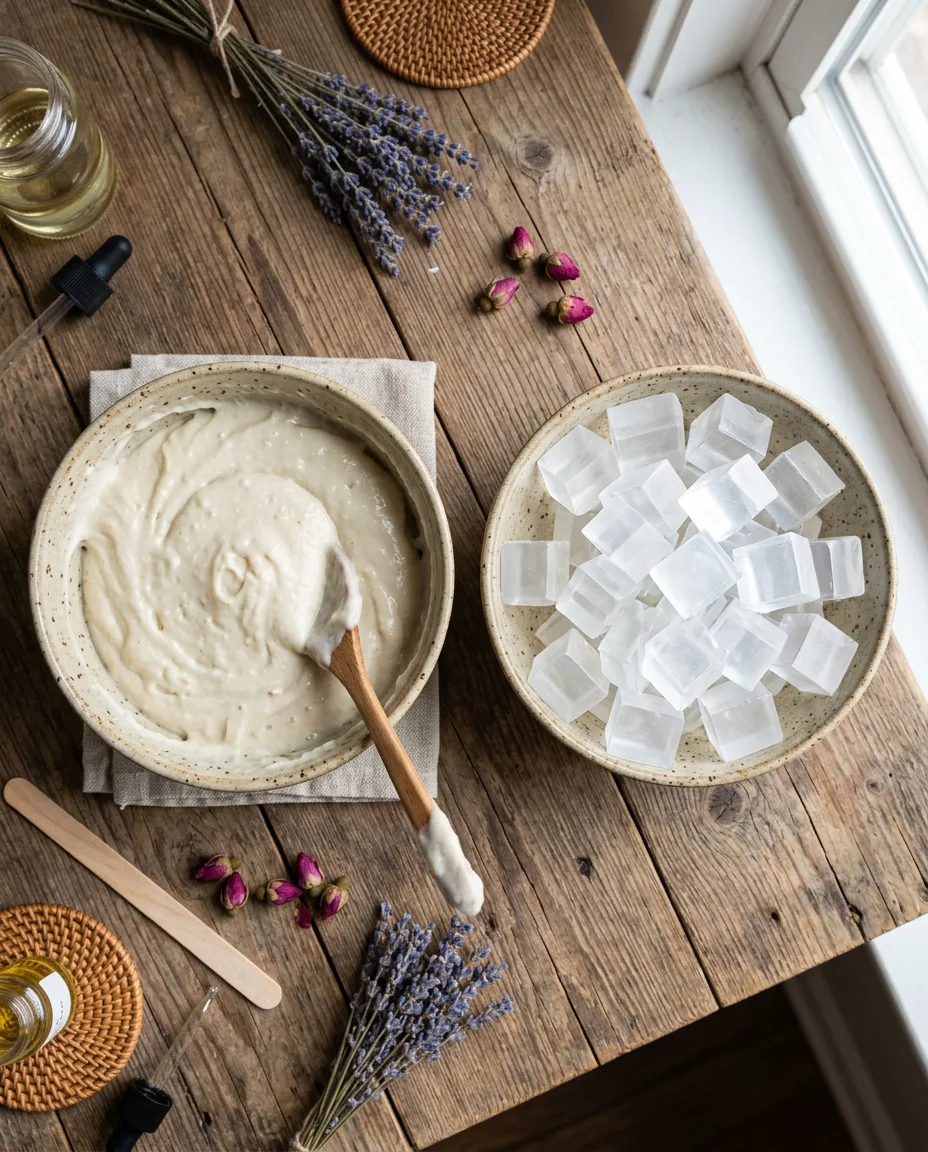
They both end in a bar of soap, and that’s about where the similarity stops.
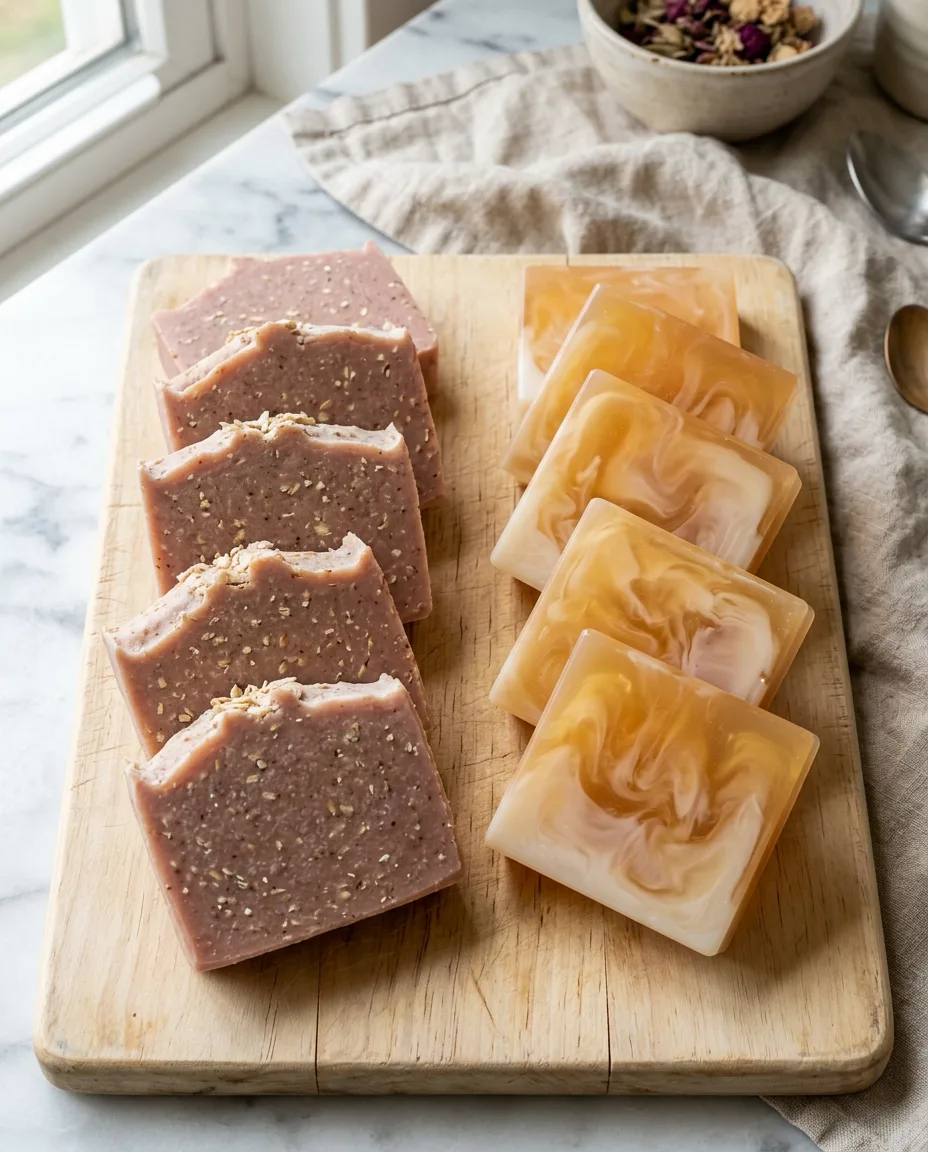
Cold process starts from raw oils and lye solution, goes through saponification in the mold, and needs weeks of resting before it’s ready. Melt-and-pour starts from a pre-made base that’s already been saponified — you’re melting, coloring, scenting and pouring it, and it’s solid enough to use within hours. If a recipe has you handling lye directly, it’s cold process. If it doesn’t, it’s melt-and-pour, and calling them the same method sets beginners up to follow the wrong instructions for the wrong process.